About Karenni
The Karenni People
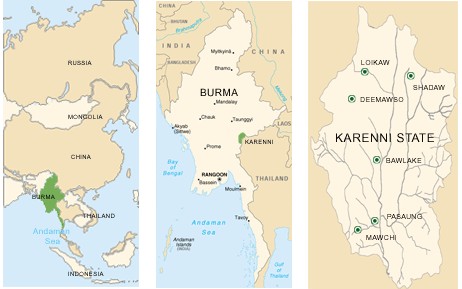
Karenni State, also known as Kayah State, is located in eastern Myanmar (Burma) and is home to the Karenni people. This region is characterized by its rugged terrain and rich cultural heritage. Historically, the Karenni States were a collection of small, semi-independent states that maintained a degree of autonomy even during British colonial rule. Today, the state is one of the least developed areas in Myanmar, facing significant challenges such as poverty, lack of infrastructure, and ongoing conflict.
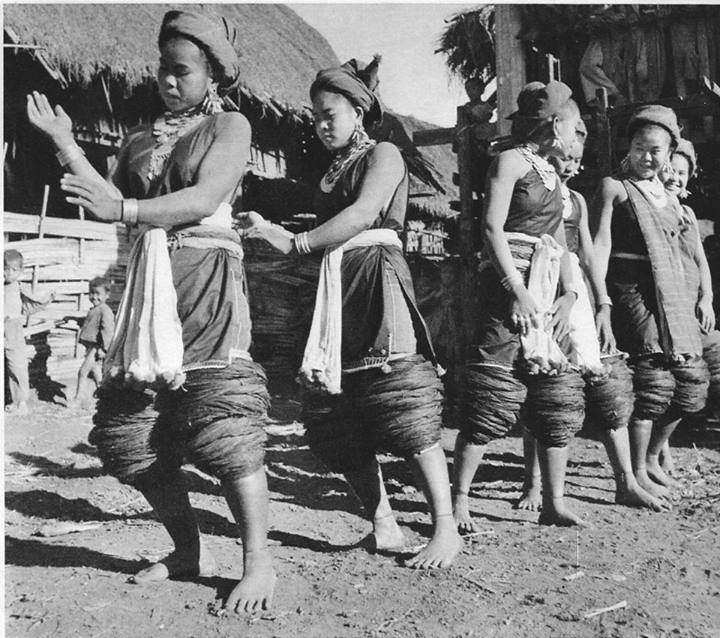
The Karenni people are an ethnically diverse and include Kayah, Kayan, Bwe, Geko, Geba, Bres, Kayaw (Manu-Manaus), Yindale, Yinbaw, Paku, Shan and Pao ethnic groups.
While the majority of Myanmar is Buddhist, Karenni has large Christian and animist communities that represent about half the population.
The population of Karenni have faced decades of persecution and displacement due to military conflicts and political instability. Despite these hardships, the Karenni have preserved their cultural heritage, including traditional music, dance, and crafts. The community continues to strive for peace and better living conditions.
Karenni or Kayah?
In October 1951 the Burma parliament renamed Karenni to Kayah State (named after the largest ethnic group in the state). This was an attempt to deny Karenni’s historic claim to independence. The term Karenni is also generally considered more representative of all ethnics residing within it. Therefore “Karenni” is normally used by the Karenni diaspora, and refers to both the state and its people as a whole.
Political History
For centuries Karenni consisted of three ‘Karenni States’ and was run as autonomous regions led by Sawphyas (princes). Under British Burma a treaty in 1875 confirmed the Karenni States as independent. Karenni was never formally part of British Burma, but was recognized as tributary to British Burma in 1892.
In 1947, as Burma sought independence, the Constitution of the Union of Burma incorporated the Karenni States into the union, amalgamated into a single state of Karenni. Karenni leaders had not agreed to this but the Constitution provided a right to cession from the Union after 10 years, this was never honoured.
In 1948 the Burmese government, under Thakin Nu, invaded Karenni State occupying the area by force. People of Karenni resisted the military occupation leading to one of the longest running civil wars in the world.
Following independence, democracy in Burma did not last long. In 1962 General Ne Win seized power in a military coup, set up a one-party system, closed the country down to the outside world and crushed opposition in both Burman and ethnic regions. Burma was officially renamed Myanmar in 1989.
Under military rule, ethnic people were denied their economic, social and cultural rights. Exploitation and rapid depletion of natural resources, extortion, forced labour, forced relocation, torture, rape, extra-judicial killings and arrests, burning of villages and expropriation of food and livestock were all well documented.
In response to armed resistance the military implemented its “Four Cuts” strategy, to deny ethnic forces support by deliberately targeting villages.
In 2010 a general election was held and a nominally civilian government was installed. The Karenni Army signed a ceasefire agreement in 2012 and this was followed by a further election in 2015 where the NLD party of Aung San Suu Kyi won a sweeping victory, taking 86 percent of the seats in the Assembly of the Union.
The following 5 years saw significant progress in Karenni as well as the rest of the country. Education, GDP and life expectancy all improved. Many houses received electricity and mobile phones became affordable for the first time. The country started to open up to the world and for the first time in decades foreigners were allowed to visit the state.
2021 Military Coup
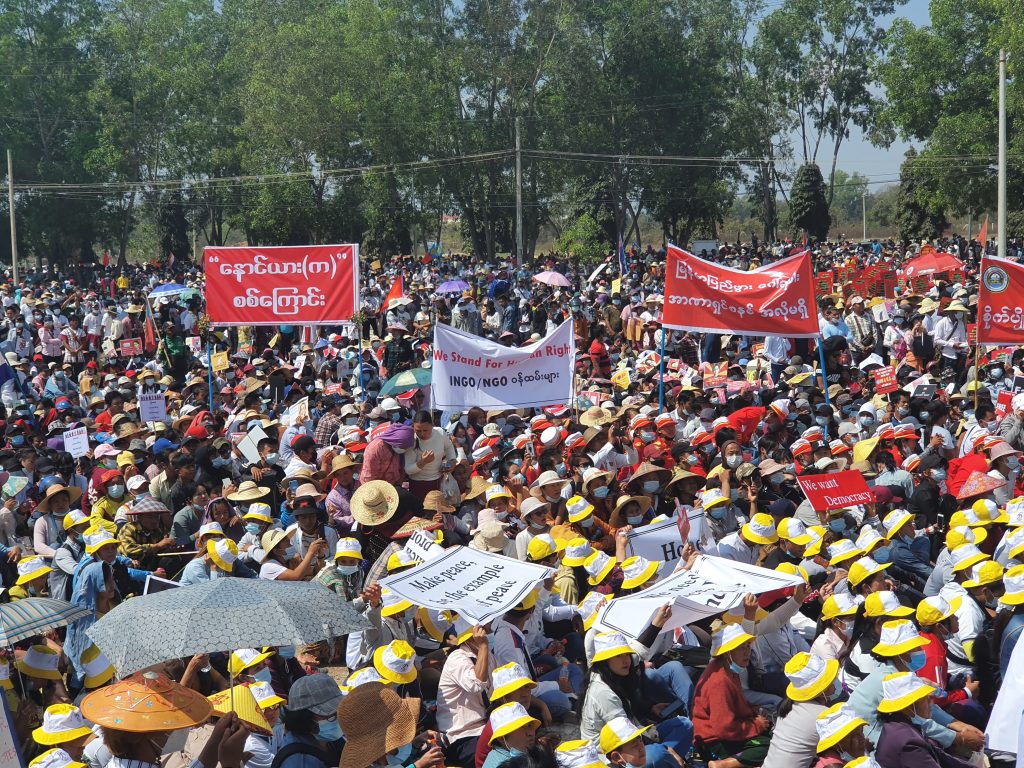
On 1 February 2021, Myanmar’s military, known as the Tatmadaw, seized power from the democratically elected government, detaining key leaders including Aung San Suu Kyi and President Win Myint. The coup annulled the results of the November 2020 general election and declared a state of emergency, transferring authority to the military junta. This action sparked widespread protests and civil disobedience across the country, leading to a brutal crackdown by security forces.
The military’s violent crackdown on protests led to widespread displacement, with many Karenni people fleeing their homes to escape the conflict. The junta’s forces have been responsible for significant destruction, including the burning of homes, religious buildings, schools and clinics.
In response to the military’s actions, local resistance groups, such as the Karenni Nationalities Defense Force (KNDF), have formed to protect their communities. The ongoing conflict has disrupted daily life, making it difficult for residents to access basic necessities like food, water, and healthcare.
In February 2024 after suffering a number of losses against a coordinated offensive by an alliance of three ethnic minority resistance groups as well as allied pro-democracy fighters, Myanmar’s military introduced national conscription for all young men and women aged 18-35 and 18-27 respectively.
The situation remains dire, with continuous fighting and a severe humanitarian crisis affecting the region. Over two thirds of the population of Karenni has been displaced.